
Management Day – Major Components and Activities | Principles of Management
Management Day
An organization or company’s Management Day is a designated occasion or event for focusing on management-related activities and initiatives. The purpose of the day is to evaluate and improve management skills, such as leadership, decision-making, setting goals, fostering teamwork, and enhancing organizational effectiveness.
As part of Management Day, organizations aim to enhance managerial skills, encourage innovation, and foster a positive work culture.
Components and Activities of a Management Day
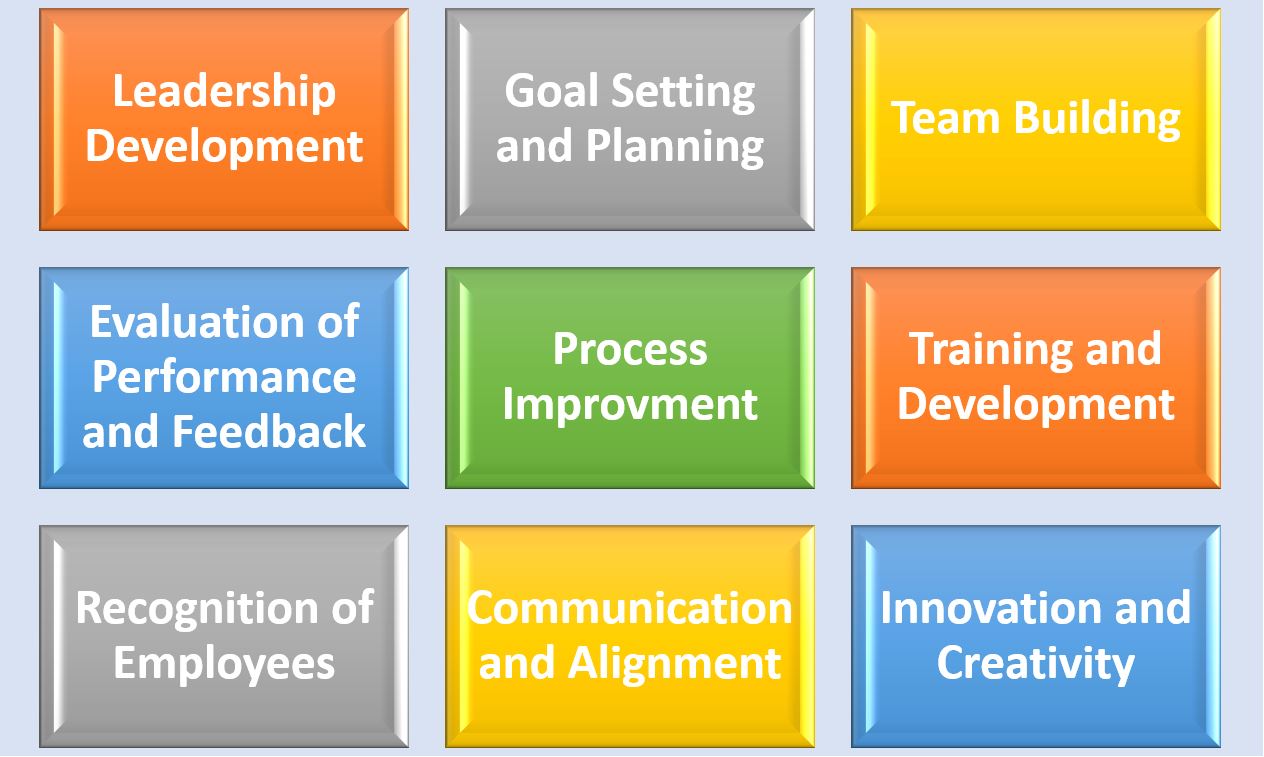
Following is a breakdown of the main components and activities of a Management Day:

Leadership Development:
The purpose of leadership development activities is to help managers develop their leadership skills and qualities. As well as communication styles, active listening techniques, conflict resolution techniques, and emotional intelligence, workshops and seminars may also cover leadership theories, strategy, and decision-making techniques.
A leadership development program can provide managers with the tools and knowledge they need to inspire and motivate their teams, create a positive work environment, and drive organizational success.
Goal Setting and Planning:
Managers take part in a comprehensive evaluation of organizational goals during Management Day. As well as reviewing progress made towards current goals and evaluating whether targets have been met, they identify obstacles and challenges that need to be overcome.
As a result of this evaluation, the organization can better understand its current situation and plan for the future. Managing teams then develop actionable plans and strategies to achieve the identified goals, outlining specific tasks, timelines, and assigning responsibilities.
Team Building:
On Management Day, team building activities are aimed at strengthening relationships, trust, and collaboration. As part of team building activities, barriers are broken down, communication is enhanced, and a cohesive and supportive work environment is established. In addition to problem-solving activities, role-playing activities, outdoor challenges, and team-building games, other activities can also be used.
The purpose of such activities is to enhance employee communication channels, promote better understanding, and improve teamwork.
Evaluation of performance and feedback:
Managers conduct performance evaluations and provide feedback to their team members on Management Day. Taking into account key performance indicators, targets, and objectives, performance evaluations include a comprehensive assessment of individual and team performance. Employees receive feedback from their managers on their strengths, areas for improvement, and development opportunities.
Additionally, managers and employees collaborate to set future goals and development plans that align with organizational objectives through constructive feedback that enables employees to understand their performance expectations and support their professional growth.
Process Improvement:
A Management Day is a great opportunity for managers and teams to evaluate existing processes and identify ways to improve them. In order to enhance productivity, efficiency, and quality, we examine workflows, identify bottlenecks, and brainstorm solutions.
In order to improve processes, procedures may be streamlined, technology or automation implemented, workflows reorganized, or best practices adopted. In a rapidly evolving business landscape, organizations need continuous process improvement to remain competitive.
Training and Development:
Management Day often includes training and development programs designed to enhance managers’ skills and knowledge. In addition to training managers on effective delegation, conflict resolution, decision-making, and change management, managers receive courses in leadership styles, management techniques, and industry trends.
It is essential for managers to have ongoing opportunities for training and development in order to stay updated with the latest practices, to acquire new skills, and to enhance their ability to lead their teams effectively.
Recognition of employees:
A crucial aspect of Management Day is recognizing and appreciating their contributions. In addition to acknowledging individual and team successes, managers can also celebrate milestones and express gratitude for employees. An employee’s efforts can be recognized verbally, through certificates, rewards, or public announcements.
When managers recognize and value their employees’ contributions, they create an environment that boosts employee morale, motivation, and engagement.
Communication and Alignment:
Effective communication and alignment across departments and teams is critical to organizational success. Management Day focuses on strategies for improving communication channels, encouraging transparency, and encouraging collaboration among managers.
In addition to regular team meetings and open-door policies, they may also consider virtual collaboration tools and cross-functional projects as methods. Communicating clearly and consistently promotes alignment of goals, facilitates effective decision-making, and fosters teamwork.
Innovation and Creativity:
Management Day is an ideal opportunity for organizations to foster creativity and innovation. It is managers’ responsibility to motivate employees to come up with innovative solutions and improve processes by encouraging them to think creatively, generate ideas, and share insights.
An ideation workshop, brainstorming session, or innovation challenge can be organized to generate new perspectives and stimulate creativity. Organizations that foster innovation and creativity are more likely to be adaptable, resilient, and continue to improve.
It is important to pay close attention to each of these elements during Management Day in order to foster effective leadership, alignment, and innovation, which ultimately contributes to improved employee engagement, productivity, and overall organizational success.
Management Day is an opportunity for managers and teams to invest in their professional development and improve management practices within their organizations. Throughout the day, managers participated in various activities aimed at sharpening their leadership skills, setting and evaluating goals, improving team dynamics, and fostering an innovation and continuous improvement culture.
The conclusion may also acknowledge the participation and contributions of all participants during Management Day. Additionally, it can motivate management and employees to continue working hard to improve the organization in the future, emphasizing the importance of open communication, continuous improvement, and innovation.
As a result of the comprehensive conclusion, the organization reinforces the value and importance of Management Day, enabling the insights, skills, and relationships built during the event to be carried forward and incorporated into everyday management. As a result, organizational success is driven by a positive work environment.

I am Bijisha, an enthusiast with a profound eagerness for learning. I hold a Bachelor’s degree in Business Administration(BBA) from Apex College. I am constantly driven by a relentless curiosity and a genuine desire to expand my knowledge horizons.
- Top 10 Best Books for Hospitality Management - December 9, 2023
- Top 10 Best Sociology Books for Beginners - December 5, 2023
- Top 10 Best Psychology Books on Human Behavior - December 3, 2023


