
The Best Way to Carry out Project Activities – 5 Major Ways | Project Management
The Best Way to Carry out Project Activities
Effective project activities are crucial to project success. There are several factors that affect the outcome of a project, including the quality of deliverables, adherence to timelines, and effective use of resources.
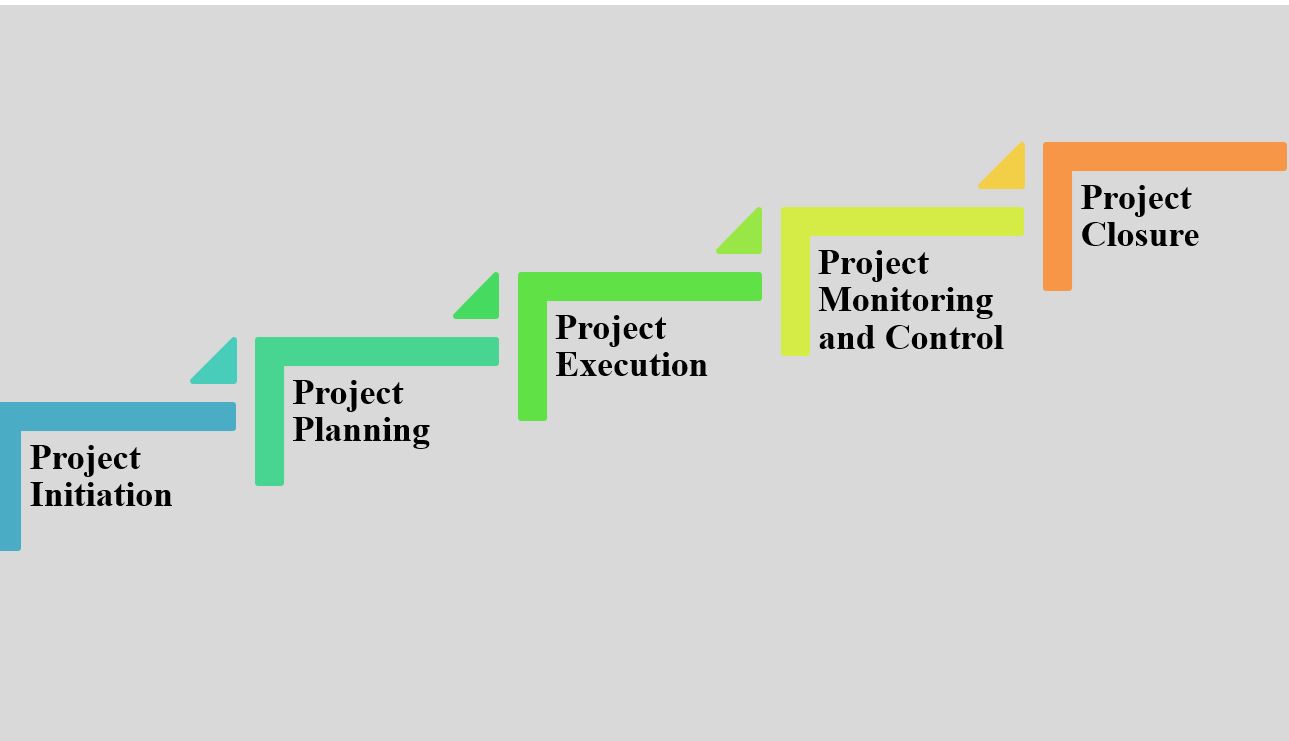
The best practices for implementing project activities, highlighting the key considerations and steps involved in each phase are explained below:
i. Project Initiation:
Initiating a project is the beginning and is crucial to its success. During this phase, project managers should undertake the following elements:
a. Project Definition:
Establish clear objectives, deliverables, and success criteria for the project. Promote a shared understanding of the project’s purpose and outcomes among stakeholders.
b. Stakeholder Identification:
Determine who will be involved in the project, including sponsors, clients, and end users. Establish effective communication channels and engage stakeholders throughout the project lifecycle. Understand their needs, expectations, and influence.
c. Feasibility Analysis:
Conduct a feasibility analysis to identify risks and constraints associated with the project. To determine if the project can be achieved within the given constraints, evaluate technical, operational, financial, and organizational aspects.
d. Project Charter:
Prepare a project charter that describes key project details, including objectives, scope, stakeholders, success criteria, and high-level milestones.
Project charters serve as a reference point for all project activities and ensure that stakeholders and team members have a common understanding.
ii. Project Planning:
In order to achieve project objectives, project planning involves creating a detailed roadmap that outlines the tasks, resources, timelines, and dependencies. It involves the following activities:
a. Work Breakdown Structure (WBS):
The Work Breakdown Structure (WBS) allows for better resource allocation, task sequencing, and tracking of project progress. The WBS simplifies the project scope into manageable work packages and tasks.
b. Task Sequencing and Dependencies:
Identify dependencies between tasks and identify the logical sequence for completing project activities. To ensure smooth workflow and avoid bottlenecks, establish dependencies based on prerequisites, resources available, and logical relationships.
c. Resource Planning:
Determine how many resources are needed for each project activity (human, material, equipment, and financial). Aim for resource allocation based on expertise and task requirements, resource constraints, potential conflicts, and contingency plans.
d. Time Estimation and Scheduling:
Develop a comprehensive schedule for all project tasks based on their durations. Determine the timeline of a project by identifying critical tasks and using techniques such as PERT (Program Evaluation and Review Technique) or Critical Path Method (CPM).
Determine realistic milestones and deadlines based on task dependencies, resource availability, and project constraints.
e. Risk Management Planning:
Identify risks in the project, both internal and external, and develop strategies for mitigating them. Establish contingency plans and a risk management framework that includes risk identification, analysis, plan for response, and monitor the project.
f. Communication and Reporting Plan:
Establish communication channels, frequency, and formats for project updates, progress reports, and stakeholder engagement. To ensure that project team members and stakeholders receive information in a timely and effective manner, establish clear communication protocols.
iii. Project Execution:
During this phase, planned activities are implemented, and project deliverables are produced. Considerations are important during this phase, including:
a. Task Assignment and Team Collaboration:
Assign tasks to project team members based on their skills, expertise, and availability. Communicate clearly with them about task expectations and provide them with the resources and support they need.
Foster an environment of collaboration, knowledge sharing, and accountability within the team.
b. Reporting and tracking progress:
Continuously monitor the progress of projects against milestones and schedules. Track project completion, identify deviations, and resolve issues proactively using project management tools and software.
Frequently report project status to stakeholders, highlighting successes, challenges, and mitigation measures.
c. Change Management:
Implement a change control process to manage changes to the project scope, including requests for new features, changes to requirements, or modifications to project deliverables.
Before incorporating changes into the project scope, evaluate them, assess their impact on the project objectives, and obtain necessary approvals.
d. Risk Monitoring and Control:
Constantly monitor risk factors and their potential impacts and implement risk response strategies as planned. Identify emerging risks and take proactive actions to minimize their impact on project activities on a regular basis.
e. Quality Assurance:
Establish quality assurance processes to ensure that project activities comply with predefined quality standards. Maintain regular inspections, reviews, and testing to identify deviations and deficiencies.
Ensure deliverables meet the expected quality criteria and function as expected.
iv. Project Monitoring and Control:
Project monitoring and control involve monitoring project performance, identifying deviations from the plan, and implementing corrective actions. Below are some steps essential to this phase:
a. Performance Management:
Analyze project cost and schedule performance using tools such as Earned Value Analysis (EVA). Measure project performance against planned objectives, milestones, and key performance indicators every two weeks.
b. Variance Analysis:
Analyze the variance between the project’s planned and actual performance. Identify the root cause of deviations and take corrective actions to bring the project back on track.
Adjust the project plan as needed based on the impact of deviations on other project activities.
c. Change Control and Configuration Management:
Manage changes carefully to ensure scope creep is avoided and configurations are managed properly. Obtain necessary approvals before implementing changes, document and evaluate change requests, assess their impact, and maintain a clear audit trail of approved changes. Maintain an effective project baseline.
d. Continuous Communication and Stakeholder Engagement:
Ensure stakeholders are kept informed about project progress, changes, and possible risks through regular communication. Transparency, trust, and collaboration are enhanced when stakeholders are involved in decision-making processes, their feedback is sought, and their concerns are addressed. Effective stakeholder management enhances these elements.
e. Issue Resolution:
Identify and resolve project issues or roadblocks as soon as possible. Implement effective issue resolution strategies to minimize their impact on project activities. Make decisions in the best interests of the project by facilitating problem-solving discussions, engaging relevant stakeholders, and involving stakeholders in the process.
v. Project Closure:
A project closure is the final phase in which activities are wrapped up, outcomes are evaluated, and lessons learned are implemented. The following steps are considered during this phase:
a. Project Deliverable Acceptance:
Ensure that project deliverables meet the predefined quality standards and satisfy the project’s requirements through formal acceptance from stakeholders.
b. Project Evaluation:
Evaluate the project’s success in light of the defined success criteria. Identifying achievements, lessons learned, and areas for improvement, as well as gathering feedback from stakeholders, will help you gain insight into how satisfied stakeholders were with the project.
c. Transfer and Documentation of Knowledge:
Ensure that relevant stakeholders have access to project information, including lessons learned, best practices, and project artifacts. Documentation should be stored for future reference and knowledge sharing.
d. Celebrate Success and Honor Contributions:
Recognize the work and contributions of the project team and stakeholders. By celebrating project success and recognizing individual and team accomplishments, a positive project culture is created and motivation is enhanced for future endeavors.
e. Project Closure Report:
Prepare a report summarizing the project’s key aspects, including objectives, accomplishments, challenges, lessons learned, and suggestions for the future. Senior management and relevant stakeholders should receive the closure report.
In order to optimize project execution, enhance stakeholder satisfaction, and improve project outcomes, project managers can follow these best practices when conducting project activities. In order to complete a successful project, meticulous planning, efficient execution, proactive monitoring and control, and systematic closure are essential.
Related Posts
- Importance of Project Management – 10 Major Importance | Project Management
- Objectives of Project Management -10 Major Objectives | Project Management

I am Bijisha, an enthusiast with a profound eagerness for learning. I hold a Bachelor’s degree in Business Administration(BBA) from Apex College. I am constantly driven by a relentless curiosity and a genuine desire to expand my knowledge horizons.
- Top 10 Best Books for Hospitality Management - December 9, 2023
- Top 10 Best Sociology Books for Beginners - December 5, 2023
- Top 10 Best Psychology Books on Human Behavior - December 3, 2023


