
Subsidiary Manager – 8 Major Responsibilities of Subsidiary Manager | Office Management
Subsidiary Manager
An organization’s subsidiary manager plays a crucial role overseeing subsidiary operations and management. A subsidiary is a separate legal entity that is owned and controlled by another company, called the parent company or holding company. Despite being subject to the parent company’s control and guidance, the subsidiary operates independently.
Subsidiary managers are responsible for ensuring the successful functioning of the subsidiary and alignment with the parent company’s goals and objectives.
Managers are responsible for ensuring that their subsidiaries are successful and aligned with the parent company’s goals and objectives. Here are some key responsibilities:

-
Strategic Planning:
It is a fundamental part of the manager’s role to develop and implement strategic plans for the subsidiary in collaboration with the parent company’s executives. Among the tasks of the subsidiary, manager are analyzing market conditions, identifying growth opportunities, and establishing goals and targets.
It is the responsibility of the subsidiary manager to ensure that the strategic direction of the subsidiary aligns with the parent company’s vision and mission.
Identifying target customers, defining the subsidiary’s market positioning, and developing growth and profitability strategies are among the tasks of the subsidiary manager, who works closely with the parent company’s executives.
Market research is conducted, competitive landscapes are assessed, and strategies are developed to penetrate new markets or expand the company’s market share.
-
Operational Management:
A subsidiary manager’s role includes operational management. They oversee the operation of the subsidiary on a day-to-day basis, ensuring that the subsidiary functions smoothly and efficiently. As part of this role, you will oversee production processes, manage inventory levels, coordinate logistics, and optimize operations.
Setting operational objectives, establishing performance metrics, and monitoring progress is the responsibility of the subsidiary manager. In addition to facilitating cross-functional collaboration, they identify inefficiencies and bottlenecks in operations and implement strategies to improve productivity and streamline processes.
-
Financial Management:
The subsidiary manager is responsible for developing and managing budgets, monitoring financial performance, and implementing financial controls in collaboration with the finance department.
Using financial reports, the subsidiary manager identifies areas for improvement and makes recommendations for optimizing the subsidiary’s financial performance.
During their collaboration with the finance team, they prepare financial forecasts, analyze variances, and provide insight into key financial metrics. As well as ensuring compliance with financial regulations and reporting requirements, subsidiary managers collaborate with auditors and other external stakeholders.
-
Communication and Reporting:
The subsidiary manager is responsible for communicating effectively with the parent company and the subsidiary. Providing regular updates to the parent company’s management team on the subsidiary’s progress, challenges, and opportunities. Prepare reports, conduct meetings, and participate in strategic discussions as part of this role.
Communication channels between subsidiaries and parent companies are facilitated by the subsidiary manager. Besides addressing the concerns or queries of the parent company, they also provide necessary information or clarifications and ensure that information flows smoothly, fostering transparency, and alignment of goals and objectives.
-
Risk Management:
Identifying and managing risks associated with subsidiaries’ operations is a critical responsibility for subsidiary managers. Risk mitigation strategies are developed, internal controls are implemented, and risks are minimized by assessing potential risks.
Developing risk management frameworks, policies, and procedures is the responsibility of the subsidiary manager in collaboration with the parent company’s risk management team.
A risk mitigation plan is implemented based on an assessment of emerging risks and compliance with legal and regulatory requirements. As well as performing regular risk assessments and audits, they take corrective measures to identify areas of vulnerability.
-
Human Resources:
Managing the subsidiary’s human resources involves recruitment, training, performance management, and employee relations. The manager oversees the subsidiary’s human resources activities.
In order to support the subsidiary’s operations and growth, the subsidiary manager works closely with the human resources department. By implementing standardized policies and procedures, they ensure consistency across the organization in collaboration with the parent company’s human resources department.
Furthermore, they run employee development programs, perform performance evaluations, and engage employees to enhance productivity and employee satisfaction.
-
Business Development:
Subsidiary managers play a crucial role in expanding the presence and market share of their subsidiaries by exploring new business opportunities, markets, and partnerships. In order to attract new business, you must conduct market research, identify potential customers, and develop strategies.
Identifying niche markets or segments for the subsidiary’s products or services requires the subsidiary manager to analyze market trends, analyze competitors, and assess market trends.
Their responsibilities include developing business plans and proposals, negotiating contracts, and forging strategic alliances to grow and profit their companies.
-
Collaboration:
The success of a subsidiary depends on the ability to negotiate effectively with various stakeholders, both internal and external, in order to align strategies, tackle challenges, and take advantage of opportunities.
To ensure a cohesive approach within the parent company, the subsidiary manager collaborates with other departments, including finance, marketing, legal, and operations.
By facilitating cross-functional teamwork, fostering knowledge sharing, and leveraging the resources and expertise of the parent company, they facilitate cross-functional collaboration.
Subsidiary managers collaborate with suppliers, customers, industry associations, and local authorities to maintain strong relationships, negotiate contracts, resolve disputes, and keep on top of industry trends.
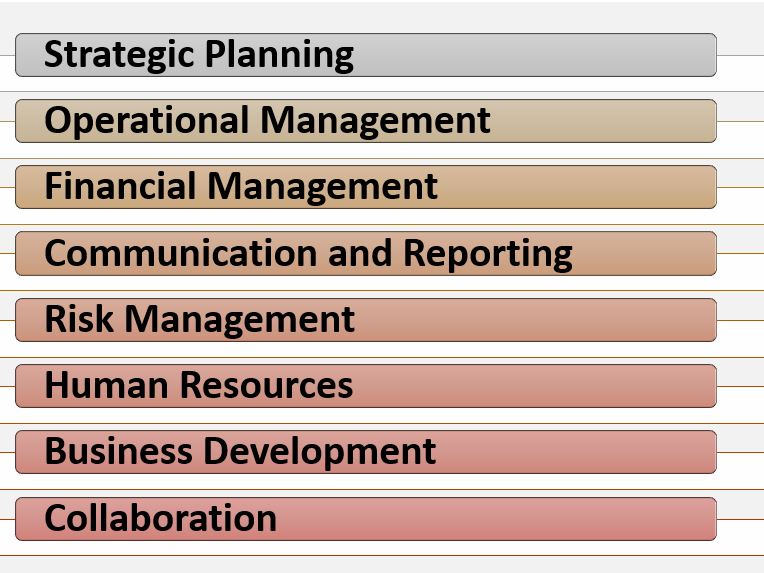
The role of a subsidiary manager in overseeing a subsidiary company’s operations and management is crucial. Among their responsibilities are strategic planning, operational management, financial management, communication, risk management, human resources, business development, and collaboration.
Subsidiary managers ensure the success of their subsidiaries while aligning their operations with the parent company’s aims and objectives.
Subsidiary Manager PDF Notes Download

I am Bijisha, an enthusiast with a profound eagerness for learning. I hold a Bachelor’s degree in Business Administration(BBA) from Apex College. I am constantly driven by a relentless curiosity and a genuine desire to expand my knowledge horizons.
- Top 10 Best Books for Hospitality Management - December 9, 2023
- Top 10 Best Sociology Books for Beginners - December 5, 2023
- Top 10 Best Psychology Books on Human Behavior - December 3, 2023


