
3T Leadership Competency Model Evaluation in the HRM Context | Human Resource Management (HRM)
3T Leadership Competency Model Evaluation in the HRM Context
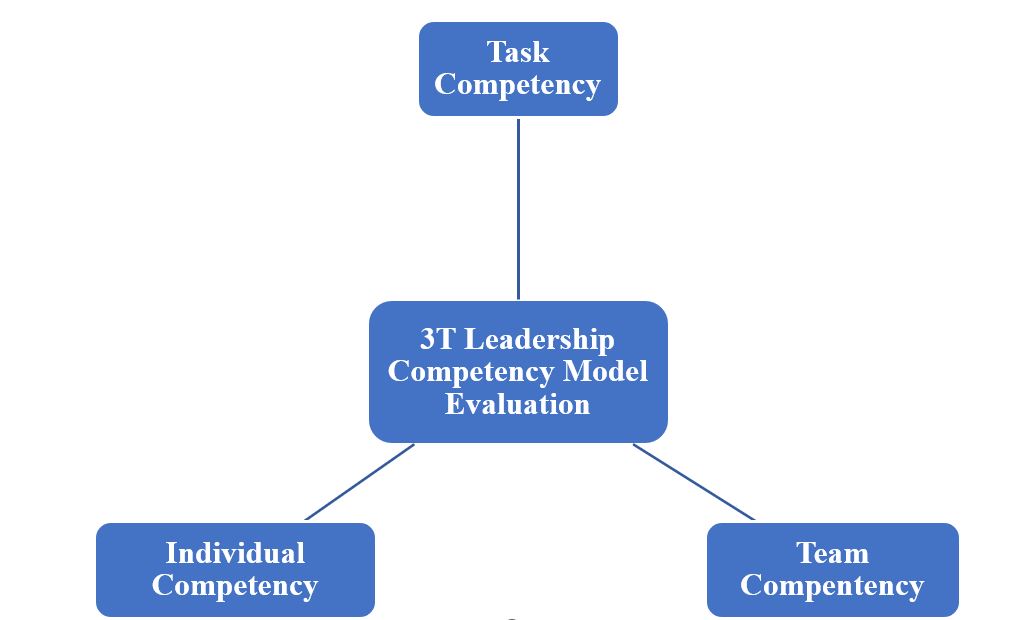
As a widely recognized framework, the 3T leadership competency model identifies three key leadership competencies: Task, Team, and Individual. It is possible to evaluate this model in HRM contexts to determine its relevance and effectiveness in guiding HR professionals and leaders in their duties and responsibilities.
i. Task Competency:
The ability to set goals, plan and organize work, and achieve results are all part of task competency. As HR leaders, we are able to align HR strategies with organizational objectives and goals when we possess strong task competency. Human resources professionals possess a strong understanding of the function, and they are adept at developing and implementing HR policies, procedures, and programs that support business goals. In addition to recruiting and selecting, performance management, training and development, compensation and benefits, and employee relations are also included. The success of an organization depends on HR leaders with strong task competencies aligning HR initiatives with its strategic direction.
ii. Team Competency:
The ability to build and develop effective teams is a core competency of HRM leaders. It refers to the ability to create high-performing HR teams and to foster a positive working environment among employees. To contribute to the organization’s HR goals, they must be able to recruit, develop, and retain talented HR professionals. In addition to promoting collaboration, communication, and teamwork within the HR department, HR leaders with strong team competencies also promote cross-departmental collaboration. Additionally, they ensure fair, equitable, and unbiased HR practices, and they contribute to promoting a culture of diversity and inclusion.
iii. Individual Competency:
A leader’s personal qualities and characteristics contribute to his or her effectiveness as a leader. It is important for HR leaders with strong individual competency to be self-aware, emotionally intelligent, and ethical. In addition to having excellent communication and interpersonal skills, they have the ability to build trust and credibility among employees. In addition to being good problem solvers, decision makers, and adaptable, highly competent HR leaders understand the importance of continuous learning and development, both for themselves and their HR teams.
Evaluation of the 3T Leadership Competency Model in HRM
An HRM context can be evaluated comprehensively using the 3T leadership competency model. As a result of the model’s assessment of leadership capabilities based on their task, team, and individual skills, it provides an integrated view of leadership capabilities. Here are some key factors to consider when evaluating it:
i. Alignment with HRM Goals:
The model is aligned with HRM goals, since it emphasizes the importance of making effective use of HR practices and strategies to accomplish organizational goals.
ii. Relevance:
There is high relevance to the HRM context available in the three competencies identified in the model (task, team, and individual), since they cover key HR leadership skills and qualities.
iii. Comprehensive Assessment:
In order to assess leadership competencies, the model provides a comprehensive framework. In addition to assessing their technical skills and knowledge, HR leaders are also judged on how well they build and manage teams, as well as how effective they are personally.
iv. Practical Application:
This model provides HR leaders with practical guidance on how to develop and enhance their competencies. It can also provide a basis for designing leadership development programs and performance evaluation processes.
v. Limitations:
There are limitations to the 3T model. Leadership effectiveness is influenced by a number of other factors such as organizational culture, industry context, and external environment. In order to conduct a comprehensive evaluation, these factors should be considered in conjunction with the competencies outlined in the model.
This model includes the key competencies required for effective HR leadership, and provides a practical framework for assessment and development.
Related Posts
- Performance Appraisal and Evaluation – Concept, Objectives, Benefits, Limitations, Process, Methods | Human Resource Management
- Job Evaluation (JE) – Concept, Steps, Objectives, Features, Advantages, Disadvantages & Methods | Human Resource Management (HRM)

I am Bijisha, an enthusiast with a profound eagerness for learning. I hold a Bachelor’s degree in Business Administration(BBA) from Apex College. I am constantly driven by a relentless curiosity and a genuine desire to expand my knowledge horizons.
- Top 10 Best Books for Hospitality Management - December 9, 2023
- Top 10 Best Sociology Books for Beginners - December 5, 2023
- Top 10 Best Psychology Books on Human Behavior - December 3, 2023


